- Rwanda Car Rental Services
- +250781994950
- info@freddycarrental.com

Camping Gear in Rwanda.

Advantages of Renting a Car in Rwanda with Freddy Car Rental
September 21, 2024
Rwanda Car Hire with Limited Mileage
November 8, 2024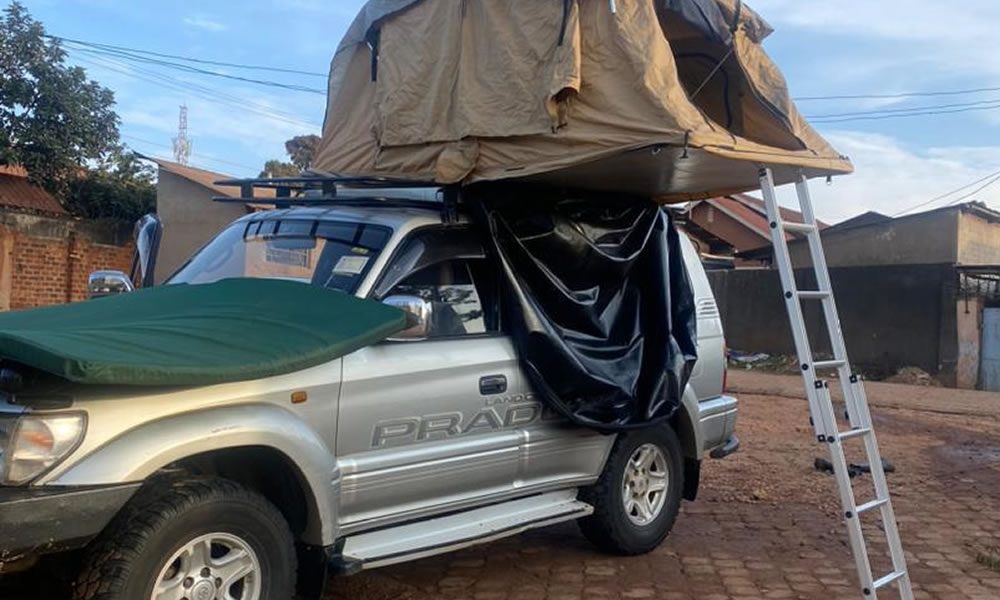
Rwanda, often referred to as the “Land of a Thousand Hills,” is a country of extraordinary natural beauty, with lush landscapes, serene lakes, and abundant wildlife. For adventurous travelers looking to immerse themselves in this picturesque country, camping offers a unique way to experience its beauty up close. Whether you’re hiking in Volcanoes National Park, exploring the forests of Nyungwe, or relaxing by the shores of Lake Kivu, having the right camping gear is essential for a comfortable and safe experience. In this article, we’ll explore what Camping Gear in Rwanda is necessary when camping in Rwanda and how to make the most of your outdoor adventure.
Why Camp in Rwanda?
Camping in Rwanda offers an opportunity to connect with nature while exploring the country’s spectacular landscapes. It allows you to get away from the crowds and truly appreciate the serenity of Rwanda’s natural environment. The country’s national parks, including Volcanoes, Nyungwe, and Akagera National Park, offer excellent camping opportunities, as do some lakeside locations like Lake Kivu.
The growing popularity of eco-tourism and adventure travel in Rwanda means that camping is becoming an increasingly viable option for both locals and visitors. Whether you’re embarking on a multi-day trek, enjoying a lakeside retreat, or exploring rural areas, having the right gear will ensure that you’re prepared for the elements.
Essential Camping Gear for Rwanda
-
Tent
A high-quality, weather-resistant tent is one of the most important pieces of camping equipment in Rwanda. The weather can vary widely depending on the region and altitude, so choosing a tent that provides adequate protection against rain, wind, and varying temperatures is essential. When camping in national parks like Volcanoes, a four-season tent with good ventilation is recommended. Additionally, it’s a good idea to select a tent with a waterproof floor, as some regions can experience heavy rains, especially during the rainy season (March to May, and October to November).
-
Sleeping Bag and Sleeping Pad
Rwanda’s higher altitudes, particularly in areas like Volcanoes National Park, can get quite chilly at night, even in the warmer months. A warm sleeping bag rated for colder temperatures is advisable, particularly if you’re camping at higher elevations. Pair it with a sleeping pad or inflatable mattress to provide insulation from the ground and extra comfort during the night. If you’re camping during the rainy season, be sure your sleeping bag is water-resistant.
-
Cooking Equipment
Depending on the type of camping you plan to do, you’ll need some basic cooking gear. A lightweight stove, fuel canisters, and cooking utensils are essential for preparing meals in the wild. If you’re camping in remote areas where there are no facilities, a portable stove or camping cookware set is highly recommended. Don’t forget biodegradable soap for cleaning, as maintaining environmental responsibility is crucial in Rwanda’s pristine ecosystems.
-
Clothing
The right clothing is key to a comfortable camping experience in Rwanda. Layering is important, as temperatures can fluctuate significantly throughout the day and night. Pack lightweight, moisture-wicking clothes for daytime activities, along with warmer layers for the evening. Sturdy, waterproof hiking boots are essential for hiking through wet or rugged terrain, especially in parks like Nyungwe Forest National Park or Volcanoes National Park. Additionally, a wide-brimmed hat and sunscreen are important for protection from the sun during daytime activities.
-
Lighting and Power
A headlamp or flashlight is essential for camping, particularly when you need to navigate in the dark. Headlamps are ideal as they keep your hands free for tasks like cooking or setting up your tent. For longer trips, a portable solar charger or power bank can come in handy to recharge devices like phones or cameras. Solar-powered lanterns can also provide gentle lighting for your campsite without relying on disposable batteries.
-
Water Filtration System
Safe drinking water is a priority while camping, especially in remote areas. While tap water in cities like Kigali is generally safe to drink, this might not be the case when you’re camping in the wild. A portable water filter or purification tablets are essential for making water from lakes or streams safe for consumption. Additionally, carrying a reusable water bottle ensures that you stay hydrated while on the go.
-
First Aid Kit
A well-stocked first aid kit is always a must-have when camping, regardless of the destination. Make sure your kit includes essentials like antiseptic wipes, bandages, pain relievers, insect repellent, and any personal medications you may need. Rwanda’s national parks and remote areas may be far from medical facilities, so it’s always wise to be prepared for minor injuries or health issues.
Renting Camping Gear in Rwanda
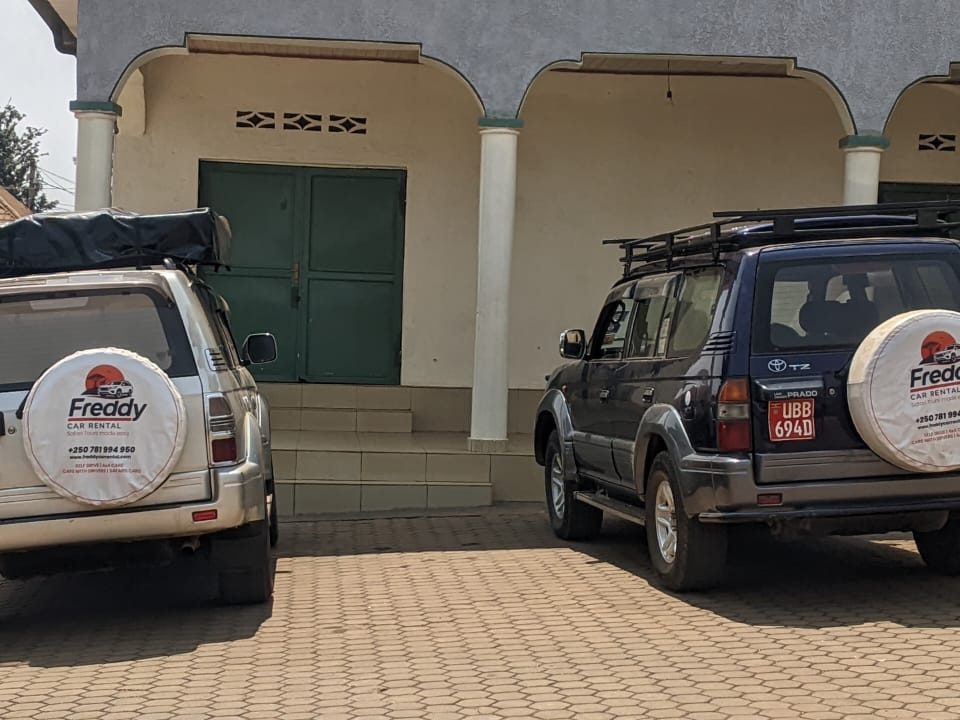
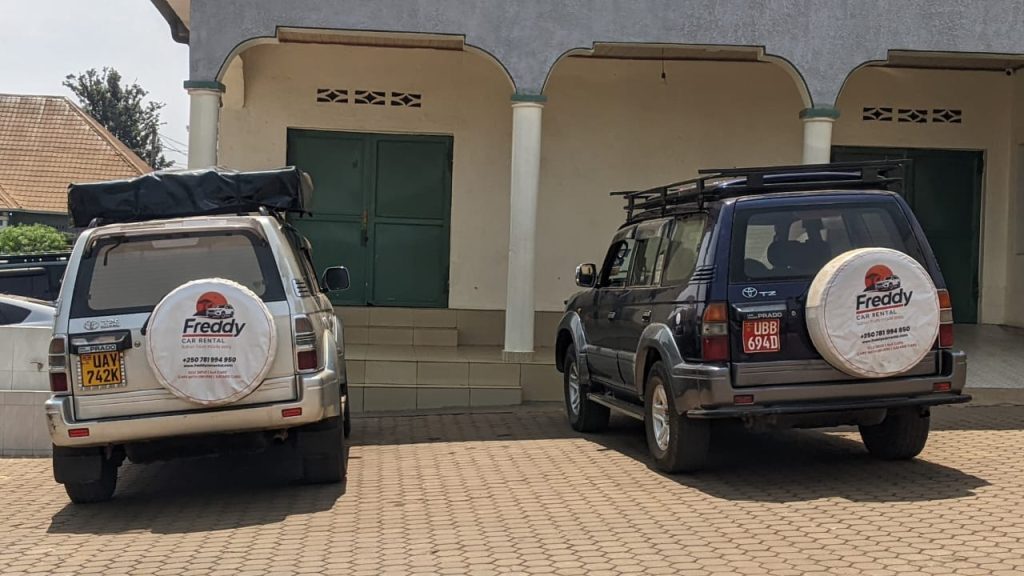
For those who don’t want to carry camping gear from home, several outfitters and tour companies in Rwanda offer camping gear rentals. These services typically provide tents, sleeping bags, cooking equipment, and other essentials. Renting Camping Gear in Rwanda can be a convenient option for travelers who want to minimize luggage or don’t want to purchase expensive gear they may only use once.
Camping in Rwanda offers a unique opportunity to experience the country’s incredible landscapes and wildlife. Whether you’re trekking through the misty volcanic mountains, exploring the dense forests, or relaxing on the shores of a lake, having the right camping gear will ensure a safe and enjoyable adventure. From high-quality tents and sleeping bags to cooking equipment and water filtration systems, being well-prepared is key to making the most of your time in this stunning country. With the right Camping Gear in Rwanda, your camping experience in Rwanda will be an unforgettable journey into the heart of nature.